Introduction
This article, like any article you may read or any topic you may be discussing, can impose different expectations, opinions and/or points of view that may differ from the author’s and that’s okay. The varying opinions are established based on the readers’ knowledge of the topic, skills, experience and what that may or may not have been taught in previous courses by other instructors. The material presented in this document has been established and is represented by the authors years of training, instructing, implementing, competitive shooting, Everyday Carry (EDC) and a fair number of trial-and-error encounters throughout the endeavor for developing the resident skills, knowledge, and attitude for defensive Concealed Carry. That said, the author sincerely hopes the readers will embrace this information with an honest effort to implement the methodology described in this and other articles to come in a series specifically developed for Concealed Carry and the defensive use of a firearm.
The Basics Concepts for CC: Handgun Selection― Series 1
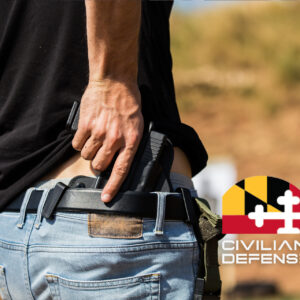
Some may initially think the basic concepts for Concealed Carry are what firearm I will get; what type of holster I will get; what type of clothing should I get for effective concealment and the list goes on. Not to say that these are not critical issues as they most certainly are and we will discuss each of them in this article as well as other articles to follow, in depth. I believe the three most basic concepts for Concealed Carry are the determination to perfect the skills, knowledge, and mindset. Let’s see how these three characteristics can be applied as basic concepts. But first, you need to have a proper firearm, holster, gun belt and at least one mag carrier for an extra mag. So, let’s talk about that first.
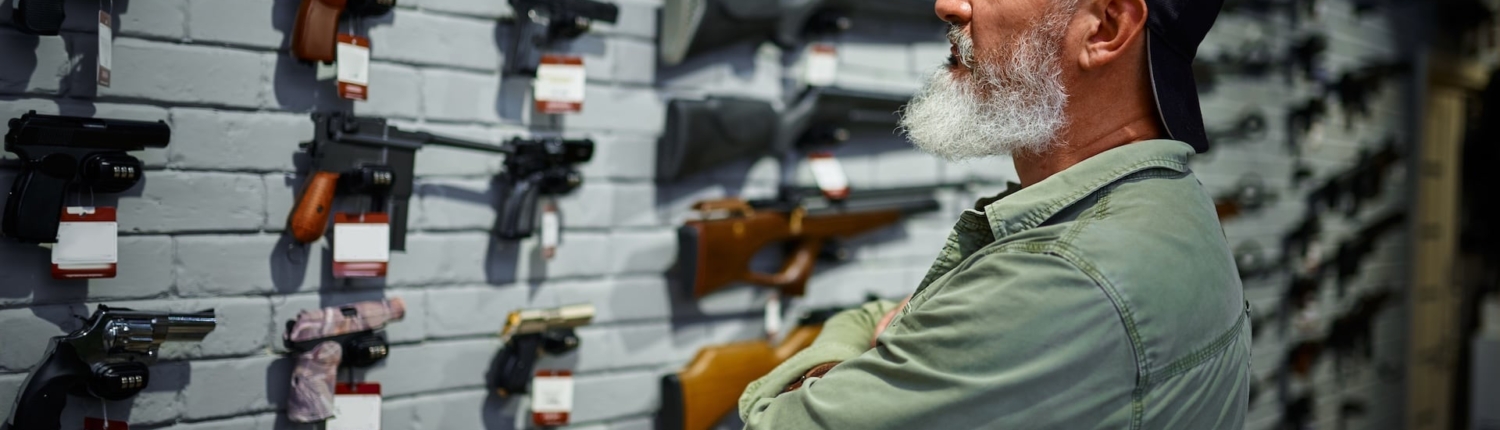
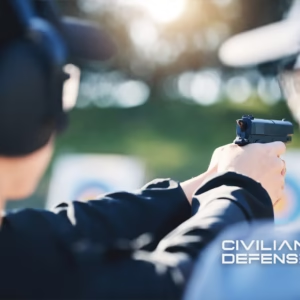
In every course I have ever taught, I always get asked several questions without fail. The first question is: “what handgun should I purchase?” Frankly, that’s a loaded question, no pun intended! It doesn’t matter if you are a new shooter with little exposure to firearms or you are a seasoned shooter, before you purchase a handgun, revolver or semi-auto your preference, you need to go to a firearms dealer or a friend who has a reasonable assortment of handguns and, for lack of a better term, fondle the various handguns affectionately and determine how each gun feels. Better yet actually shoot the perspective handgun if you can to confirm and/or eliminate various questions such as, how does it fit my hand? Can I get a proper grip and is the grip to large so I can’t get my trigger finger properly placed on the trigger or is it too short and causes me to get too much finger on the trigger? When you press out to establish a sight picture, are the sights on target or is the gun skewed to one side or the other or is the front sight pointed up or down? Can I easily manipulate the slide and are the controls of the handgun easy to engaged when required? You may go through several iterations of this trial-and-error process, and you may have the person helping you ready to eat nails, but it is unavoidable. Another option is, some indoor ranges rent firearms, at a nominal fee, for individuals to use which gives you an opportunity to try out various makes and models. When you pick up the right handgun, the grip will feel comfortable and natural, your trigger finger will automatically be properly placed on the trigger at the proper location and when you press out to a real or imaginary target, the sights will just about align themselves. Manipulation of the slide and the controls are effortlessly engaged. The handgun will feel like an extension of your hand as it should. These are the issues I look for when purchasing a handgun, however, when you become an seasoned shooter, you will find ways to compensate for deficiencies in firearms that do not meet all these criterion but when you are just getting started, these are critical issues that should be addressed prior to the purchase. In Series 2, we will be discussing caliber selection.
About the author
Lew Soccorsi brings over 32 years of experience as a firearms instructor, sharing his extensive knowledge and insights on firearms training and safety through the Civilian Defense Training Blog. Specializing in NRA Basic Pistol, Concealed Carry, and advanced tactical training, Lew offers expertise across various levels of Tactical Handgun and Carbine instruction. He holds certifications as an NRA Basic Pistol and Range Instructor, a Handgun Instructor through Sig Academy, and numerous tactical certifications, including a Master Gunsmith Certification. Lew’s depth of experience makes him an invaluable asset to our team.
 The Basics Concepts for Concealed Carry: Intermediate Development Skills: StanceApril 21, 2025 - 7:10 am
 The Basics | Concepts for Concealed Carry: Handgun Manipulation ― ReloadsApril 7, 2025 - 6:55 am


Leave a Reply
Want to join the discussion?Feel free to contribute!